
Fence Installation Cost in Fort Lauderdale (2026): A Complete Buyer’s Guide
April 2, 2026
- By
- Florida Fence and Gate Masters
- Fence and Gate Specialists
What should you budget for a new fence this year – and how do you avoid paying twice? At Florida Fence and Gate Masters, we’ve been guiding homeowners and property managers through Fence Installation Cost in Fort Lauderdale (2026) for years of experience across residential and commercial projects. We’ve seen how small design decisions can shift a proposal by thousands, especially in coastal neighborhoods. A homeowner once chose the lowest bid without checking post depth or permitting; the fence failed inspection and had to be rebuilt. That mistake doubled their cost. Understanding materials, code requirements, and site conditions upfront – along with working with qualified fence and gate services in Fort Lauderdale – prevents expensive surprises.
How material choice impacts performance and price
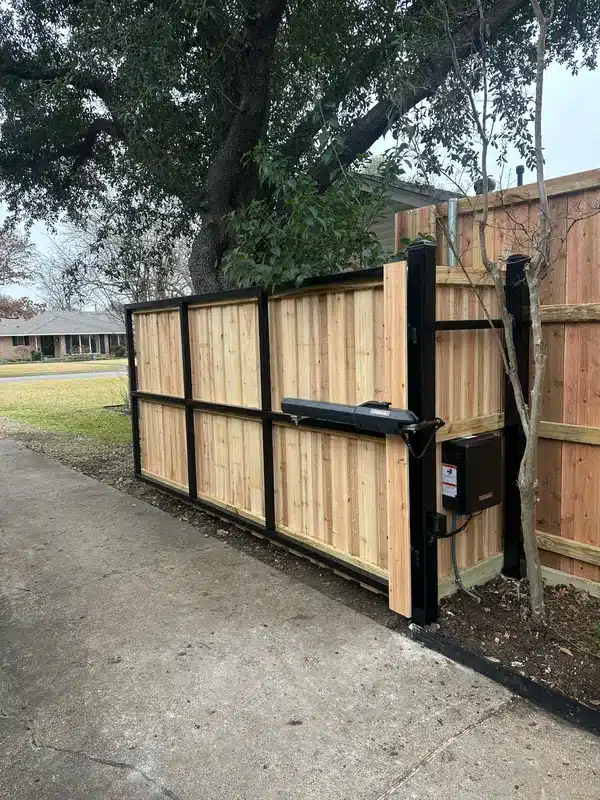
Choosing the right material sets the foundation for both cost and long-term maintenance. We guide clients to balance appearance, code compliance, and lifecycle expenses – not just the proposal total. Here’s how common options compare in Fort Lauderdale:
- Aluminum fencing: Resistant to corrosion, lightweight, and ideal for pool enclosures. Powder-coated finishes hold up well in coastal air. Higher upfront cost than chain link, but lower maintenance.
- Pressure-treated wood privacy: Strong visual barrier and customizable height. Requires sealing or staining every 2 – 3 years. Posts must be properly embedded in concrete to prevent rot at grade.
- Vinyl (PVC): Clean appearance and minimal maintenance. Quality varies – thin wall panels can warp under heat. We look for ASTM-rated products with reinforced rails.
- Chain link (galvanized or vinyl-coated): Budget-friendly and durable. For security applications, 9-gauge fabric and tension wire outperform lighter 11-gauge systems.

Questions to ask before signing a contract
A clear process protects your budget. We walk clients through layout, permitting, material selection, and final inspection so there are no surprises. Ask any contractor:
- Will you pull the required permit and schedule inspections?
- What post depth and concrete method will you use?
- What gauge or wall thickness are the materials?
- Is removal and haul-off of the old fence included?
Get Clear Numbers Before You Commit
Fence installation is a structural upgrade that affects safety, property value, and compliance. We evaluate soil conditions, wind exposure, drainage, and code requirements before presenting options. That level of planning prevents failed inspections and premature repairs. If you’re comparing bids or unsure which material fits your property, we’ll break down the true cost drivers and long-term maintenance expectations. Our team provides detailed proposals so you understand exactly what you’re paying for – and why it matters in Fort Lauderdale’s coastal environment.

FAQs
How much does Fence Installation Cost in Fort Lauderdale (2026) typically run per linear foot?
In Fort Lauderdale, most residential fence projects fall between $25 and $75 per linear foot depending on material and design. Chain link typically sits at the lower end, while aluminum ornamental and premium vinyl trend higher. Wood privacy usually lands in the middle but can increase with taller panels or decorative caps. Costs also reflect permit fees, removal of old fencing, and gate hardware. Coastal exposure sometimes requires upgraded fasteners or thicker posts, which can add to the budget but improve lifespan. The best way to get an accurate number is through an on-site evaluation that accounts for layout, soil, and code requirements.
Do I need a permit for a new fence in Fort Lauderdale?
Most residential fences in Fort Lauderdale require a permit, especially when they exceed certain heights or involve pool enclosures. The Florida Building Code governs structural and wind-load requirements, and local ordinances address setbacks and height limits. Pool barriers must meet specific standards for self-closing, self-latching gates and minimum heights. Skipping the permit process can lead to failed inspections, fines, or mandatory removal. We recommend confirming that your contractor will pull the permit and schedule inspections on your behalf. Proper documentation protects you if you sell the property or file an insurance claim after storm damage.
What factors most affect the total cost and timeline?
Three primary factors drive both price and schedule: site complexity, material costs, and total scope. Site complexity includes slopes, tree roots, tight access, and underground utilities that slow digging and may require specialized equipment. Material costs fluctuate based on lumber pricing, steel gauge, and powder-coated finishes. Total scope covers linear footage, number of gates, and whether automation or custom fabrication is involved. A straightforward backyard may take 2 – 4 days after permits, while larger or commercial projects can extend longer. Pricing may range widely depending on these variables. These figures are preliminary benchmarks for informational purposes only and do not constitute a binding quote. An on-site evaluation is required for a final proposal.
Can I install my own fence to save money?
DIY installation can work for short, simple runs on flat ground using light materials. However, many homeowners underestimate post depth, alignment, and code compliance. In sandy Fort Lauderdale soil, posts must be properly set and braced during curing to prevent leaning. Errors in layout can violate setbacks or utility easements, leading to removal. We often repair DIY projects where gates sag due to undersized hinges or posts. If you’re comfortable reading site plans, using power augers safely, and navigating permits, a small project might be manageable. For larger perimeters, pool barriers, or high-wind areas, professional installation typically reduces long-term cost and liability.
How do I maintain my fence to extend its lifespan?
Maintenance depends on material. Wood fences benefit from sealing or staining every 2 – 3 years to limit moisture intrusion and UV damage. Inspect posts annually for rot at grade level. Aluminum and vinyl require periodic rinsing to remove salt buildup; check fasteners and gate hinges for corrosion. Chain link systems should be inspected for tension wire integrity and fabric separation. We recommend lubricating gate hinges with a silicone-based lubricant rather than oil that attracts grit. Address small issues early – loose brackets or minor rust spots – before they compromise structural sections. Regular inspections help you avoid full panel replacements or costly post resets.
What common fence problems do you see in Fort Lauderdale?
The most frequent issues stem from corrosion and improper installation. Salt air accelerates rust on untreated hardware, and shallow-set posts shift in sandy soil after heavy rain. We also see wind damage where panels lack proper bracing or rails are undersized for the span. Drainage plays a role; standing water around posts can weaken concrete footers over time. Another recurring problem is non-compliant pool gates that fail to self-close. Addressing these conditions early – by upgrading hardware, improving drainage, or reinforcing posts – prevents larger structural failures during storm season.
What should I look for when hiring a fence contractor?
Verify that the contractor is properly licensed and insured in Florida and familiar with the Florida Building Code. Ask whether they handle permitting and inspections. Request details about post depth, concrete type, and material specifications such as gauge thickness or wall strength. A thorough proposal should outline removal, disposal, and warranty coverage. We also recommend reviewing previous local projects to confirm experience with coastal conditions. Clear communication about timeline and inspection scheduling is a good sign. If a bid seems unusually low, confirm that it includes permitting, hardware, and code-compliant installation methods.
When should I schedule professional help instead of waiting?
Schedule professional service if you notice leaning sections, loose gate posts, rusted-through hardware, or a gate that no longer self-closes – especially around pools. Minor leaning can quickly worsen after heavy rain or wind. If a post shifts more than a few inches or concrete footers crack, the structural integrity may already be compromised. In non-emergency situations, avoid temporary fixes like surface bracing that can hide deeper problems. Instead, document the issue and arrange an inspection. Addressing structural concerns early typically costs less than replacing full fence sections after a collapse.