
Commercial Security Fence Installation: Protecting Your Business Property
February 16, 2026
- By
- Florida fence and gate masters
- Commercial Fence and Gate Specialists
Looking for a clear checklist before investing in a commercial security fence installation? At Florida fence and gate masters, we have helped property owners protect warehouses, retail centers, industrial yards, and office complexes with professional fence and gate solutions for years. Our team guides you through every phase of the process, including planning, material selection, local code compliance, and long term maintenance considerations. We explain what to prioritize, what common mistakes to avoid, and how to ensure your fence truly deters theft rather than simply marking a property line. Many business owners underestimate how critical proper installation details are. We have seen companies spend thousands on fencing systems that failed basic wind load standards, setback regulations, or insurance requirements, which led to costly tear outs and project delays. One warehouse owner contacted us after repeated break ins because the original installer ignored correct post depth, spacing, and anti climb features. These oversights made the fence easy to breach. If you are still comparing materials and configurations, our chain link fence guide outlines foundational options, security upgrades, and coating choices so you can make a confident and informed decision before committing to your installation.
What Professional-Grade Installation Must Include
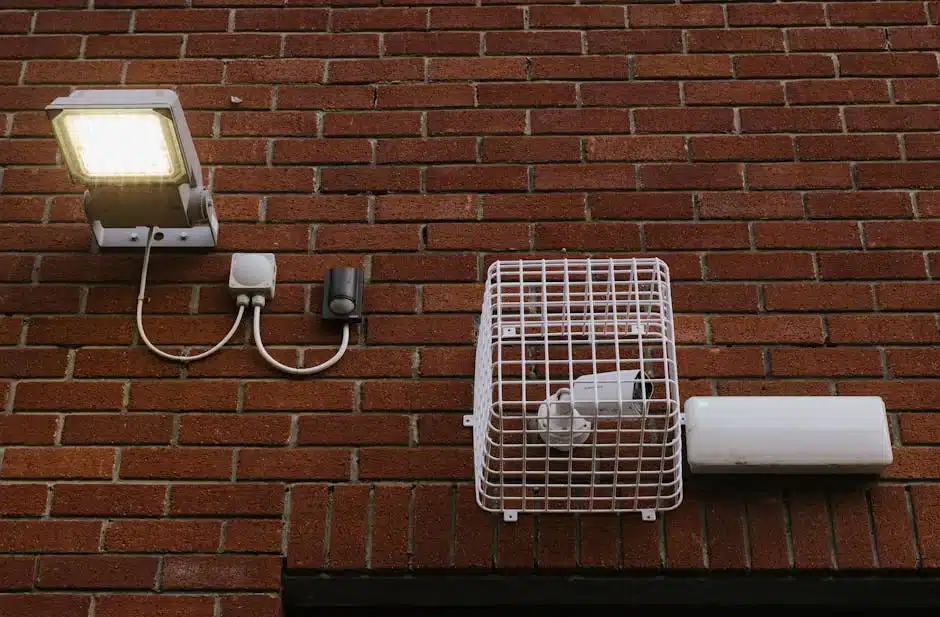
Strong materials alone do not create a secure perimeter. The most important best practices center on structural integrity, controlled access, and code compliance. When our team evaluates a property, we look beyond fence panels and focus on system performance. A professional-grade installation should include:
- Proper gauge and coating: 9-gauge galvanized or PVC-coated chain link for higher security applications.
- Top rail and bottom tension wire: Prevents fabric lift and spreading.
- Concrete footings sized to load: Corner and gate posts often require larger диаметers for stability.
- Access control compliance: Gate operators installed per UL 325 and ASTM F2200 safety standards.
- Clear sight lines: Eliminating blind spots that compromise camera coverage.

Costs, Timelines, and Common Security Gaps
Even a well-built fence requires periodic evaluation. Leaning posts, sagging gates, or rust at weld points signal structural or drainage issues that need correction before failure. Common security gaps we address include:
- Improper latch alignment causing gates not to self-close.
- Undersized gate operators for heavy steel frames.
- Vegetation growth creating climb assists near fence lines.
- Site complexity and grading requirements.
- Material costs and coating type.
- Total scope, including gates and automation.
Schedule a Professional Security Assessment
Protecting a business property requires more than selecting a fence style from a catalog. We evaluate site conditions, code requirements, traffic flow, and long-term durability before recommending a system. Our team designs commercial security fence installation plans that align with operational needs while reducing liability and theft risk. If you’re planning a new perimeter or upgrading an outdated one, the next step is a professional evaluation. We’ll inspect existing conditions, identify weak points, and provide a clear scope of work so you understand exactly what you’re investing in. Secure your property with a solution built to perform under real-world conditions – not just look secure on day one.

FAQs
What height is recommended for a commercial security fence?
For most commercial properties, we recommend a minimum fence height of 6 feet, while 7- or 8-foot fencing is often advisable for higher risk locations. The right height depends on what you are protecting, the level of public access around the site, and how determined a potential intruder may be. Facilities that store high value equipment, sensitive materials, or fleet vehicles typically benefit from taller fencing combined with anti climb features such as tightly spaced mesh, reduced footholds, or angled barbed wire extensions. Local building codes and zoning regulations must also be considered, as they may restrict maximum height or require specific setbacks from property lines and sidewalks. Visibility is another important factor. Security cameras and lighting systems perform best when fencing is positioned to minimize blind spots and shadowed areas. Height alone does not guarantee protection. Proper post depth, heavier gauge materials, secure top rails, and reinforced corner posts all contribute to structural integrity. A tall fence with shallow footings or lightweight components can fail under wind pressure or impact, undermining the added height and compromising overall security.
Is chain link secure enough for business properties?
Chain link fencing can be highly effective when it is properly specified and professionally installed. Overall security performance depends on several factors, including wire gauge thickness, mesh size, protective coating, framework strength, and installation technique. For most commercial and industrial applications, we recommend 9-gauge galvanized fabric combined with a continuous bottom tension wire to reduce the risk of lifting or spreading. Heavier gauge wire resists cutting and deformation better than lighter 11-gauge alternatives, which are more vulnerable to force. Security can be further enhanced with barbed wire, razor ribbon, or privacy slats that limit visibility and climbing opportunities. Installation quality plays a critical role in long term performance. Posts should typically be set 30 to 42 inches deep in properly mixed concrete, depending on soil conditions and local code requirements. Tension bars must be securely fastened to prevent fabric separation from terminal posts. When installed according to ASTM standards and local regulations, chain link integrates easily with access control systems and surveillance equipment, offering a practical balance of durability, visibility, and cost efficiency.
How much does commercial security fence installation cost and how long does it take?
Costs typically range from $25 to $75 per linear foot for standard galvanized chain link fencing, depending on height, gauge, and finish. Ornamental steel, aluminum, or specialized anti-climb panels generally exceed this range due to enhanced durability, security performance, and aesthetic appeal. Automated gate systems often begin around $3,000 for basic configurations and can increase significantly based on motor capacity, duty cycle requirements, safety features, and integrated access control systems such as keypads, card readers, or remote entry devices. Installation timelines commonly span one to three weeks, though schedules vary based on permitting approvals, site preparation needs, and material availability. Several factors influence overall pricing, including site complexity, grading challenges, and soil conditions that may require specialized footings or equipment. Material selection, protective coatings, and corrosion resistance treatments also impact cost. In addition, the total project scope, including the number of gates, automation components, and security enhancements, plays a major role in final pricing. Larger properties with multiple access points typically require more coordination, labor, and logistical planning. These figures serve as general benchmarks for informational purposes only and do not represent a binding quote. A detailed on-site evaluation is necessary to develop an accurate and customized proposal.
Can a business owner install a commercial security fence themselves?
Small repairs or short fence runs may be manageable for experienced property owners who have access to proper equipment such as post hole augers, levels, and concrete mixers. Tasks like replacing a damaged panel or resetting a single post can sometimes be handled in house when soil conditions are stable and layout requirements are simple. However, full scale commercial security fence installation involves far more than setting posts and stretching fabric. Projects often require engineering review, accurate site grading, underground utility coordination, and strict adherence to local building codes and safety standards. Gate automation systems must comply with UL 325 and ASTM F2200 requirements to reduce the risk of injury and potential liability. Incorrect post depth, poor alignment, improper tensioning, or undersized gate operators frequently lead to premature failure and costly repairs. We have encountered many installations where fabric was not properly stretched, resulting in visible sagging within months. For larger properties or facilities requiring controlled access, professional installation helps prevent structural issues, permit delays, and insurance complications. Complex perimeter security systems are rarely a practical or cost effective DIY project.
What maintenance does a commercial security fence require?
Routine inspections performed twice per year play a vital role in extending the overall service life of your fencing system. During each inspection, carefully check for loose tension bands, missing fasteners, and early signs of rust forming at weld joints or connection points. Examine the soil around post bases for erosion or settling, as shifting ground can weaken structural stability over time. Hinges, rollers, and latch mechanisms on swing or sliding gates should be treated with a silicone-based lubricant to minimize friction and reduce wear without attracting dirt or debris buildup. For automated gates, regularly clean photo-eyes and safety sensors to ensure proper alignment and reliable operation. Trim vegetation along the fence line to prevent moisture retention, corrosion, and unintended climbing support. If you observe leaning posts, widened gaps at ground level, or unusual movement during operation, address these concerns promptly to prevent further structural damage. Although galvanized coatings provide strong corrosion resistance, any scratches or exposed metal should be sealed quickly with a cold-galvanizing compound. Consistent, proactive maintenance preserves security performance, appearance, and long-term investment value.
What are the most common problems with commercial security fencing?
The most frequent issues include post movement caused by shallow or poorly compacted footings, sagging fabric that results from improper tensioning during installation, and gate misalignment created by repeated heavy use. When posts shift even slightly, the entire fence line can lose alignment, reducing both appearance and structural reliability. Vehicle impacts are another common concern, particularly near loading docks, drive lanes, and service entrances where turning space is limited. Even minor collisions can bend frames, loosen hardware, or compromise weld points. Over time, small bends in a cantilever track may damage rollers, create uneven movement, and place excessive strain on gate motors. If left uncorrected, this strain can shorten operator lifespan and increase maintenance costs. Corrosion often develops at ground contact points when drainage is inadequate or protective coatings wear away. We also encounter access control failures when gate operators are undersized for the actual gate weight or usage frequency. Addressing these problems early helps prevent more extensive structural damage, higher repair expenses, and potential security vulnerabilities. Regular inspections are essential for long term performance.
What should I look for when hiring a commercial fence contractor?
Verify that the contractor holds all required state and local licenses and carries both general liability and workers compensation insurance. Do not hesitate to request copies of certificates and confirm they are current. Ask specifically whether the company follows International Building Code requirements and adheres to UL 325 standards for automated gate systems, as these regulations are critical for safety and compliance. Experienced contractors provide detailed written proposals that clearly outline post depth, material gauge, coating type, hardware specifications, and concrete strength and curing methods. If a bid lacks this level of detail, it may indicate potential shortcuts or substandard materials. Request references from recent commercial projects that are similar in size and complexity, and take the time to follow up with those clients. Confirm that all necessary permits and inspections will be secured before work begins. A reputable contractor will discuss structural load calculations, soil and drainage considerations, wind resistance, and long term maintenance requirements, not just price. Clear communication, transparent timelines, and a thoroughly documented scope of work protect you from disputes, delays, and unexpected costs.
When should I schedule a professional evaluation of my existing fence?
Schedule a professional evaluation if you observe leaning fence sections, recurring gate malfunctions, loose posts, visible corrosion, cracked welds, or any signs of attempted intrusion. Subtle issues such as uneven gaps between panels or unusual noises during gate operation can also indicate underlying structural problems. Even when no obvious damage is present, properties that experience high foot traffic, frequent vehicle access, or that store valuable inventory should undergo routine inspections every one to two years. Preventive assessments help identify early stage wear before it progresses into more extensive deterioration. After severe weather events such as heavy storms, strong winds, or flooding, as well as after any vehicle impact, a prompt inspection is essential. Minor misalignment or weakened anchoring can quickly escalate into structural failure if left unaddressed. In the short term, secure compromised areas with temporary barriers and restrict access to reduce safety risks. Avoid forcing automated gates that resist movement, as this can strain motors and internal gears. A thorough professional evaluation clarifies whether targeted repairs will restore integrity or if partial replacement offers a more cost effective long term solution.