
Fence Permit Requirements in Fort Lauderdale (2026): What Homeowners Must Know
April 28, 2026
- By
- Florida Fence and Gate Masters
- Fence and Gate Specialists
Many homeowners believe a fence is “just landscaping” and doesn’t require city approval. At Florida Fence and Gate Masters, we’ve been guiding property owners through Fence Permit Requirements in Fort Lauderdale (2026) for years of experience, and we’ve seen how that assumption creates expensive problems. In Fort Lauderdale, wind loads, flood zones, and property line rules make fences a regulated structure – not a weekend add-on. We recently met a homeowner who installed a 6-foot vinyl fence without a permit, only to be flagged during a sale inspection. The buyer’s lender required proof of compliance, delaying closing and forcing partial removal. Before you start, review our fence installation guide and understand what the city expects.
What Professionals Review Before Installation
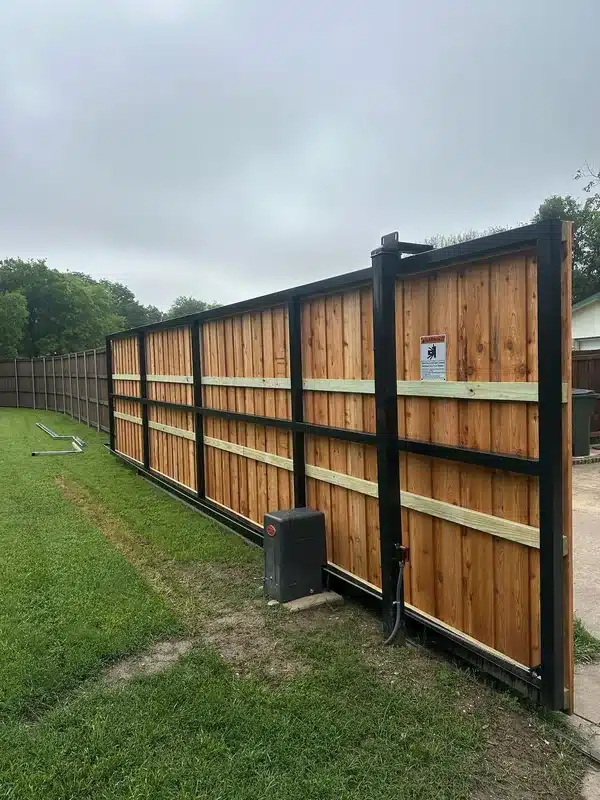
Fort Lauderdale sits in a High-Velocity Hurricane Zone with strict wind-load standards. Fences must withstand strong uplift and lateral forces, especially in open coastal exposure. Inspectors review structural anchoring, setbacks, and zoning before approving permits.
- City of Fort Lauderdale Building Services – Fence Permit Requirements – Requires a building permit for most new fences and walls, including site plans showing property lines and setbacks. Consequences: failed inspections, stop-work orders, or removal if built without approval.
- 2023 Florida Building Code (7th Edition) – Section 1609 (Wind Loads) – Establishes wind design criteria. In Fort Lauderdale, fences must be designed for high wind speeds and proper post embedment. Consequences: structural failure, liability claims, insurance denial.
- Fort Lauderdale Code of Ordinances – Chapter 47 (Unified Land Development Regulations) – Governs fence height limits, front-yard restrictions, and visibility triangles at intersections. Consequences: code enforcement fines and mandatory modifications.

What to Budget and How to Avoid Delays
Proper planning prevents permit delays and redesign costs. Most residential fence permits in Fort Lauderdale may take 1 – 3 weeks for approval, depending on workload and completeness of documents. Incomplete site plans are the most common reason for rejection. A recent client submitted a hand-drawn sketch without a boundary survey. The city required a signed survey showing exact setbacks, adding two weeks and extra expense. We now recommend:
- Current property survey (signed and sealed)
- Material specifications (aluminum gauge, vinyl thickness, or wood species)
- Post depth and concrete strength details
- Site complexity and soil conditions
- Material costs and wind-rated hardware
- Total scope, including gates and demolition
Not Sure If Your Fence Needs a Permit?
If you’re planning a new fence or replacing an old one, we can review your layout, zoning, and wind exposure before you submit anything to the city. Our team evaluates setbacks, height limits, and structural anchoring so you avoid failed inspections or costly rework. We’ll provide clear guidance on what Fort Lauderdale requires and prepare the documentation properly the first time. A quick expert check now can prevent weeks of delay later.

FAQs
Do I always need a permit for a residential fence in Fort Lauderdale?
In most cases, yes. Fort Lauderdale typically requires a building permit for new fences and substantial replacements, especially when structural posts are set in concrete. Height, location on the lot, and zoning district all affect requirements. Front-yard fences and corner lots face stricter visibility rules. Even if you are replacing an existing fence, changes in material or height usually trigger a permit review. We recommend confirming with the City of Fort Lauderdale Building Services before purchasing materials. Skipping the permit can result in code enforcement action, fines, or required removal during a property sale or insurance inspection.
How tall can my fence be in Fort Lauderdale?
Height limits depend on where the fence is placed on your property. Rear and side yard fences are commonly allowed up to 6 feet, while front yard fences are often limited to a lower height to preserve visibility. Corner lots must also maintain a clear sight triangle for traffic safety. The Unified Land Development Regulations in Chapter 47 outline these standards. Exceeding height limits without approval can trigger violations and force you to cut the fence down. Before installation, we review your survey and zoning classification to confirm what is permitted for your specific lot.
How much does a permitted fence project usually cost and how long does it take?
In Fort Lauderdale, a permitted fence project may take 2 – 5 weeks total, including approval and installation. Permit review alone can take 1 – 3 weeks depending on city workload. Costs typically start around $25 – $45 per linear foot for basic materials and may rise to $45 – $85+ per linear foot for aluminum or vinyl systems. Pricing fluctuates based on site complexity, material costs, and total scope including gates or demolition. Wind-rated hardware and deeper concrete footings can also increase expenses. These figures are preliminary benchmarks for informational purposes only and do not constitute a binding quote. An on-site evaluation is required for a final proposal.
Can I pull the permit myself instead of hiring a contractor?
Homeowners can sometimes pull an owner-builder permit, but they assume full responsibility for code compliance, inspections, and structural performance. That includes meeting wind-load requirements under the Florida Building Code and verifying property lines. If a fence fails inspection, the homeowner must correct it at their own expense. Hiring a properly licensed contractor transfers that responsibility to a professional familiar with local review standards. We often see DIY permits delayed due to incomplete site plans or missing structural details. If you choose to apply yourself, ensure your drawings, survey, and post depth specifications are accurate and complete.
What happens if I build a fence without a permit?
Building without a required permit can lead to stop-work orders, daily fines, and mandatory removal. Code enforcement may require you to expose footings to verify depth and concrete strength. If the fence does not meet setback or height rules, partial demolition may be required. Unpermitted structures can also complicate home sales, as lenders and buyers often request proof of final inspection. Insurance carriers may question claims involving non-compliant structures after a storm. Addressing the issue early – by applying for an after-the-fact permit – can reduce penalties, but approval is not guaranteed if the installation violates zoning rules.
What are common fence issues specific to Fort Lauderdale?
High wind exposure and saturated soil are the most common challenges. Shallow post embedment or undersized concrete footings often lead to leaning fences after heavy rain. Corrosion is another issue, especially with non-galvanized fasteners in coastal air. We recommend hot-dip galvanized or stainless-steel hardware for durability. Flood-prone areas may require wider footings to improve stability. Visibility violations at corner lots are also common, particularly when landscaping grows into the sight triangle. Designing for wind resistance and drainage from the start helps prevent structural failure and repeated repairs.
How do I choose the right contractor for a permitted fence project?
Verify that the contractor holds an active Florida license through the DBPR and carries general liability and workers’ compensation insurance. Ask who will pull the permit and attend inspections. Review past projects in Fort Lauderdale to confirm familiarity with local zoning and wind requirements. A qualified contractor should provide a written proposal detailing materials, post depth, concrete strength, and hardware type. Clear documentation protects you if questions arise during inspection. Avoid cash-only offers or vague scopes of work, as these often signal unlicensed activity that can create legal and financial exposure for the homeowner.
When should I schedule a professional review of my fence plans?
Schedule a review before purchasing materials or scheduling installation. Early evaluation allows adjustments to height, setbacks, and post depth without wasting time or money. If your property is on a corner lot, near a waterway, or in a flood-prone zone, advance planning is even more important. Watch for red flags such as unclear property lines, old surveys, or HOA restrictions that differ from city rules. While fence permitting is not an emergency service, delaying review can push your project back weeks. A professional assessment helps you move forward confidently and avoid preventable delays.