
Commercial Security Fence Installation: Protecting Your Business Property
February 16, 2026
- By
- Florida fence and gate masters
- Commercial Fence and Gate Specialists
Looking for a clear checklist before investing in commercial security fence installation? At Florida fence and gate masters, we’ve been helping property owners protect what they’ve built for years of experience, and we’ve learned that the right fence system is more than posts and panels – it’s a coordinated security strategy. This guide is for homeowners who own rental properties, home-based businesses, or commercial buildings and want a practical roadmap. We’ve seen what happens when security is an afterthought. One property owner installed a light-duty fence meant for decorative use around a storage yard. Within months, sections were bent back and inventory went missing. Choosing the wrong system – or skipping code compliance – can lead to theft, liability exposure, and denied insurance claims. For basic material insights, start with our chain link fence guide before moving forward.
What Every Commercial Fence System Must Include
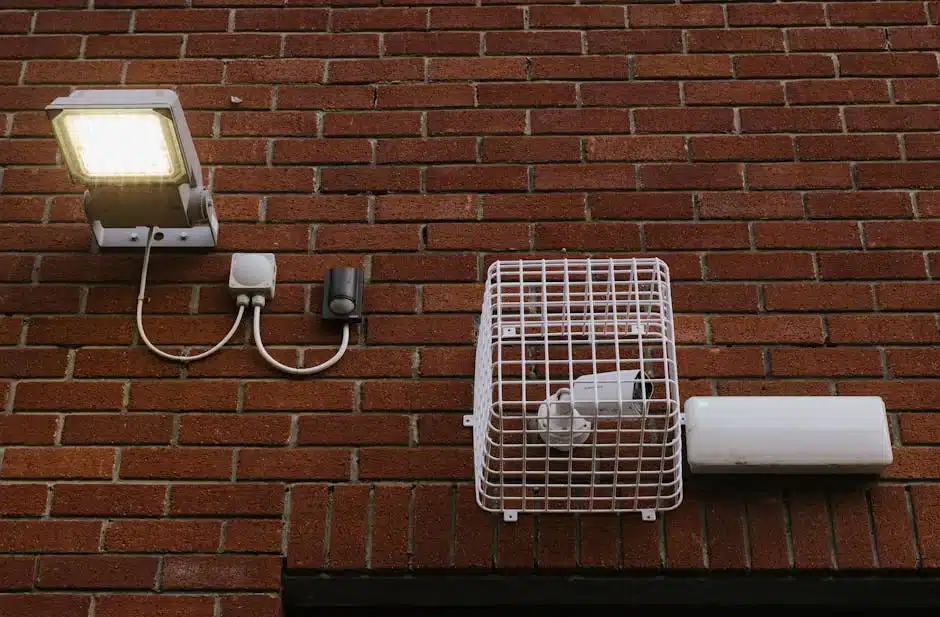
Strong materials alone do not create security. Proper installation, verified standards, and attention to detail determine whether a fence deters intrusion or becomes an easy target. We focus on structural integrity, code compliance, and controlled access as the three pillars of quality. A properly executed commercial security fence installation should include:
- Correct post spacing: Typically 8 – 10 feet on center for chain link, adjusted for wind load and terrain.
- Concrete footings sized for load: Terminal posts often require larger diameter footings than line posts.
- Bottom tension wire or rail: Prevents lifting the fabric for crawl-under entry.
- Anti-climb measures: Barbed wire arms angled outward 45 degrees or privacy slats in certain applications.
- Compliant gate safety devices: Photo eyes, edge sensors, and auto-reverse mechanisms per UL 325.

Cost Factors, Timelines, and What to Expect
Budget planning for commercial security fence installation starts with understanding scope. A simple perimeter around a small lot differs dramatically from a multi-gate facility with controlled access. In our experience, costs may range from $25 to $60 per linear foot for standard 6-foot commercial-grade chain link, while higher-security systems with barbed wire, privacy slats, or automated gates can range from $60 to $150+ per linear foot. Automated slide gates with operators, loops, and safety devices may start around $4,000 and increase depending on controls and power supply. Price typically fluctuates based on:
- Site complexity and grading challenges
- Material costs and fence height/gauge
- Total scope, including gates and access control
Schedule a Professional Security Evaluation
If you are planning a perimeter upgrade or replacing an outdated fence, now is the time to take action. Every day you delay leaves your property exposed to unnecessary risk, liability, and costly damage. Our team provides a comprehensive site evaluation to identify vulnerabilities, review local and state codes, and design a commercial fence and gate system tailored to your exact operational needs. We deliver clear recommendations, detailed specifications, and durable materials built to withstand Florida weather and daily use. A professionally installed security fence does more than define boundaries. It deters intruders, protects assets, enhances property value, and supports insurance and compliance requirements. With expert craftsmanship and advanced gate automation options, we create systems that perform reliably under real world conditions. Do not wait for a security issue to force your decision. Contact Florida Fence and Gate Masters today to schedule your evaluation and secure your property with confidence.

FAQs
What is the best type of fence for commercial security?
The best fence depends on your risk level and property use. For many commercial applications, 9-gauge galvanized chain link with top rail and three-strand barbed wire offers a strong balance of cost and durability. It resists cutting better than lighter residential grades and can be reinforced with bottom tension wire to prevent lift-up entry. For higher-security needs, we may recommend taller systems – 8 feet or more – with anti-climb features or welded wire panels that reduce footholds. Facilities storing high-value equipment often add privacy slats to limit visibility from outside the perimeter. If appearance matters, powder-coated aluminum systems can provide both security and curb appeal, but they must be installed with proper spacing and anchoring. The key is matching fence strength, height, and gate access control to the actual threat level rather than choosing solely based on appearance or lowest price.
Do commercial security fences require permits?
In most jurisdictions, the answer is yes. Fence height, placement near property lines, proximity to sidewalks or streets, and any type of automated gate system commonly trigger permit requirements. Many municipalities adopt versions of the International Building Code, which establishes standards for certain barrier applications, structural integrity, and safety. Automated gates are also typically required to comply with UL 325 safety standards to reduce the risk of entrapment or injury. Obtaining a permit protects property owners by confirming zoning compliance, proper setbacks, and coordination with underground utilities before excavation begins. It also verifies structural criteria such as minimum post embedment depth, footing dimensions, and wind load resistance where applicable. Skipping the permit process can result in stop-work orders, financial penalties, delays, or even forced removal if the installation violates local regulations. We strongly recommend contacting your local building department before ordering materials or scheduling installation. Proper permits and inspection records can also support insurance claims by demonstrating that the fence or gate system meets recognized construction and safety standards.
How long does commercial security fence installation take and what does it cost?
Timelines and pricing vary based on project size and complexity. Smaller perimeters may take several days, while larger properties with multiple automated gates could require several weeks including permitting and inspections. Costs may range from $25 to $60 per linear foot for standard commercial-grade chain link. Taller fences, heavier gauge wire, barbed wire additions, or automated gate systems can push totals to $60 – $150+ per linear foot. Automated gates with operators and safety devices might start around $4,000 and increase depending on controls. Pricing typically fluctuates due to:
- Site complexity and soil conditions
- Material costs and fence height/gauge
- Total scope including gates and access control
Can a homeowner install a commercial security fence without professional help?
For small, non automated sections on level ground, a skilled homeowner may be able to install light duty fencing with acceptable results. However, commercial security fence installation is far more complex and requires technical knowledge that goes well beyond setting posts and stretching fabric. Professional installers account for structural load calculations, wind exposure, soil conditions, drainage patterns, and precise post embedment depths to ensure long term stability. Proper spacing, concrete footings, and correct tensioning techniques are essential to prevent movement, sagging, or premature failure. Automated gates introduce another layer of responsibility. Compliance with UL 325 and ASTM F2200 safety standards is mandatory. Incorrect wiring, improper grounding, or missing safety devices such as photo eyes and edge sensors can create serious injury risks and significant liability exposure. We frequently repair fences where DIY installations skipped adequate concrete depth or failed to tension the mesh correctly. What appeared straight and secure on day one often leaned or sagged within months, especially after heavy storms. If your property includes vehicle access points, high value equipment, or public interaction, professional installation greatly reduces legal exposure, maintenance costs, and long term safety risks.
What maintenance does a commercial security fence require?
Commercial fences require consistent inspection and preventative maintenance to preserve structural strength, appearance, and code compliance. We recommend conducting detailed visual inspections at least once per quarter, along with a comprehensive hardware tightening and performance review annually. During inspections, check for loose tension bands, missing bolts, rust forming at cut wire ends, bent rails, leaning or shifting posts, and gates that sag or drag during operation. Pay close attention to areas where water collects, as moisture can accelerate corrosion and weaken metal components over time. Galvanized fencing systems benefit from periodic washing to remove dirt, salt, and industrial pollutants that may compromise the protective coating. If coating damage or surface corrosion is discovered, promptly apply a cold galvanizing compound to exposed steel to slow deterioration and extend service life. Automated gates require additional care and routine testing. Verify that photo eyes are clean and aligned, confirm that the auto reverse function responds correctly, and inspect wiring connections for wear. Lubricate hinges and moving joints with a lithium based grease, and avoid petroleum products on nylon rollers to prevent material breakdown. Addressing small issues early reduces repair costs and minimizes security vulnerabilities.
What are common problems with commercial security fences?
The most common problems with chain link fencing involve improper post depth, inadequate tensioning, gate misalignment, and gradual material deterioration. Posts that are not set deep enough in concrete can shift after heavy rain, freeze thaw cycles, or soil movement, causing entire sections to lean or separate. When fabric is not stretched tightly during installation, it may bow outward over time, creating weak points that reduce security and place extra strain on framework components. Gate problems are also widespread. Sliding gates can come off their tracks if the track is not level or becomes obstructed by debris. Swing gates often sag when hinges are undersized or when supporting posts are not reinforced properly. Automated gate operators may fail prematurely if safety loops, photo eyes, or limit switches are poorly aligned or exposed to moisture. Corrosion at ground level is another frequent issue, especially in areas with poor drainage. Consistent inspection, cleaning, and timely repairs help prevent minor mechanical concerns from turning into costly replacements.
What should I look for when hiring a commercial fence contractor?
Begin by confirming that the contractor holds current licensing and carries insurance appropriate for structural and electrical work, particularly when automated gate systems are part of the project. Verify general liability and workers compensation coverage to protect against potential job site incidents. Ask whether the company adheres to UL 325 and ASTM F2200 standards for gate safety and whether all required permits will be obtained before installation begins. A reputable contractor should clearly explain local code requirements and inspection procedures. Request specific information about construction details such as post depth, diameter, and concrete footing dimensions. Proper anchoring is critical for long term stability, especially in areas with wind or soil movement. Inquire about wire gauge selection and why 9-gauge chain link may be recommended over lighter alternatives for durability and security. Ask how the fabric will be stretched and tensioned to prevent sagging. Written proposals should clearly outline the project scope, materials, safety devices, timeline, and inspection steps. Contractors who cannot explain compliance or avoid permits may create legal and safety risks. Thorough documentation and verified inspections reflect professionalism and commitment to lasting performance.
When should I schedule a professional inspection of my fence?
Schedule a professional inspection whenever you notice warning signs such as leaning posts, loose or missing fasteners, visible gaps beneath the fence line, sagging gates, or access control systems that do not respond consistently. These issues often indicate underlying structural movement, soil erosion, hardware fatigue, or mechanical wear that can worsen quickly if left unaddressed. Following severe weather events like heavy storms, high winds, flooding, or freezing conditions, it is especially important to assess the integrity of both fencing and gate components. Attempted forced entry, vandalism, or unexplained damage should also prompt an immediate evaluation to ensure the property remains secure. If an automated gate hesitates during operation, reverses direction unexpectedly, produces unusual noises, or fails to close and latch completely, discontinue use and arrange service as soon as possible. Faulty motors, sensors, or safety devices can create injury risks and increase liability exposure. Even in the absence of visible damage, facilities that store valuable equipment, vehicles, or inventory benefit from scheduled inspections. Proactive evaluations help identify weak points early, reduce repair costs, and prevent disruptions caused by emergency failures or security breaches.